Accounting and Managements Glossary
Accounting and Management Glossary
Hi, my name is Audrey Mertes Arruda and I study at Montmorency College. At the moment, it’s my third semester, and I’ve had a rough time finding what I wanted to be when I’m older. During my first semester, my program was Physical Rehabilitation, but I quickly realized it wasn’t made for me. Now I’m doing Springboard to a Dcs to hopefully get into Accounting and Management Technology. I’ve been doing Springboard to a Dcs for a year now and this program is only about my general education classes like English, French or Philosophy. My glossary is here to help students who aren't in my program, learn new word that they may not have in their program. All of my words are words that I've used in real life and all the definition are from google to make sure people have the best definition. I want people to know these words, so they can expand their vocabulary and I want them to try and use it in real life. Side Note: the words in my glossary are from the program Accoutning and Management because there are no special words in Springboard to a Dcs
- Account payable
- Noun
- Money owed by a company to its creditors.
- Example: The company's accounts payable increased by 15% last quarter, indicating a greater reliance on supplier credit.
- en: Comptes à payer

- Accounts of Equity
- Noun
- An equity account represents an owner's interest or claim on a company's assets, showing what would remain after all liabilities are paid.
- Example: The accountant noted that the account of equity increased by $10,000 due to the company's strong net income for the quarter.
- en: Comptes de capitaux propres

- Accounts Receivable
- Noun
- Money owed to a company by its debtors.
- Example: We also have online access to accounts receivable information worldwide, updated weekly.
- en: Comptes débiteurs
- Asset Management
- Noun
- Asset management is the systematic process of developing, operating, maintaining, and disposing of assets to maximize their value, minimize risks, and achieve organizational or financial objectives.
- Example: Her company provided asset management services for clients, helping them organize their investments to meet financial goals.
- en: Gestion d'actifs

- Auditing
- Noun
- Conduct an official financial examination of (an individual's or organization's accounts).
- Example: Companies must have their accounts audited.
- en: Audit

- Balance Sheet
- Noun
- A statement of the assets, liabilities, and capital of a business or other organization at a particular point in time, detailing the balance of income and expenditure over the preceding period.
- Example: They now have to carry the value of their derivative contracts on the balance sheet.
- en: Bilan

- Break-even Analysis
- Noun
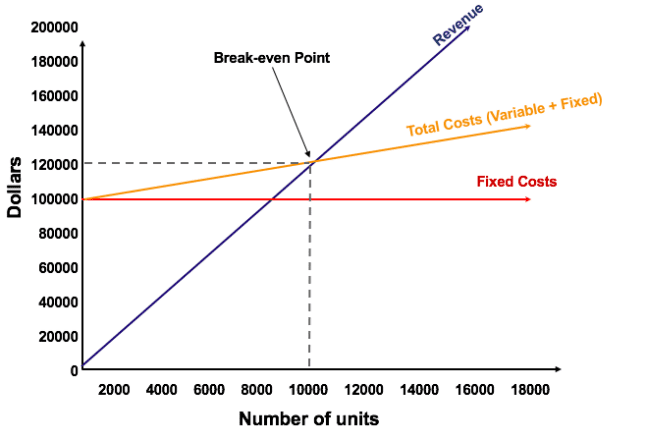
- A break-even analysis is a financial calculation that determines the point at which the total costs of a new business, service, or product exactly equal its total revenue.
- Example: Before launching the new product, the team conducted a break-even analysis to determine the number of units they needed to sell to cover their costs and avoid a loss.
- en: Analyse du seuil de rentabilité
- Budgeting
- Verb
- Allow or provide a particular amount of money in a budget.
- Example: The university is budgeting for a deficit.
- en: Budgétisation

- Cash Flow
- Noun
- The total amount of money being transferred into and out of a business, especially as affecting liquidity.
- Example: The business's cash flow was positive for the third quarter, indicating a healthy inflow of money.
- en: Des flux de trésorerie

- Cost Accounting
- Noun
- The recording of all the costs incurred in a business in a way that can be used to improve its management.
- Example: It's a bit like those cost discontinuities you see in economics or cost accounting.
- en: Comptabilité analytique

- Depreciation
- Noun
- A reduction in the value of an asset with the passage of time, due in particular to wear and tear.
- Example: There's been some depreciation of the dollar compared to the Swiss franc.
- en: Dépréciation

- Financial Reporting
- Noun
- Financial reporting is the process of documenting and sharing a company's financial activities and results using standardized financial statements, such as the balance sheet, income statement, and cash flow statement.
- Example: Accurate financial reporting is vital for attracting investors and making informed business decisions.
- en: Rapports financiers

- General journal
- Noun
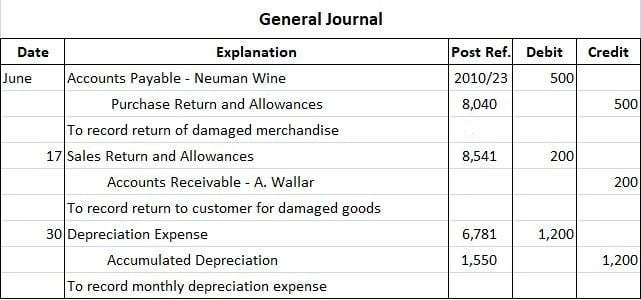
- A general journal is a book of original entry that serves as the first chronological record of all a company's financial transactions before they are posted to the general ledger.
- Example: After recording all specialized transactions, the bookkeeper will use the general journal to log any infrequent or non-standard business activities that don't fit into the cash, sales, or purchase journals.
- en: Journal général
- Income Statement
- Noun
- An income statement is a financial report summarizing a business's revenues, expenses, gains, and losses over a specific period, ultimately showing whether the company made a profit or incurred a loss.
- Example: According to the company's income statement, its profits for the last quarter were significantly higher than expected.
- en: Compte de résultat

- Internal Controls
- Noun
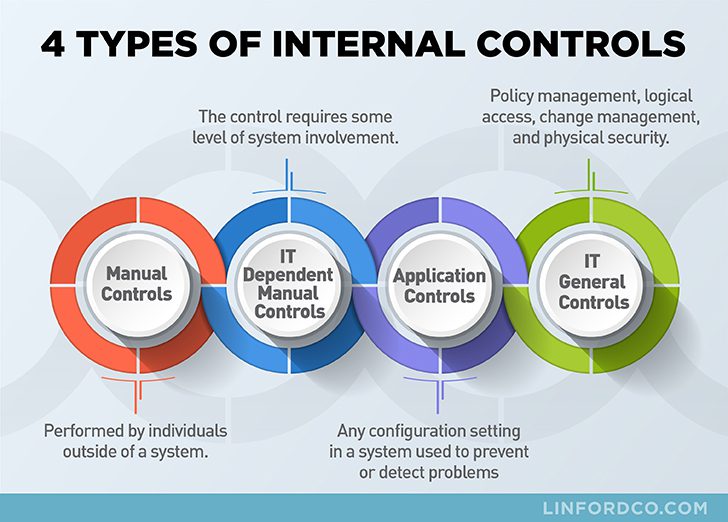
- Internal controls are policies and procedures implemented by an organization's management and personnel to ensure objectives are met, providing reasonable assurance of operational effectiveness, reliable financial reporting, and compliance with laws and regulations.
- Example: The accounting department implemented new internal controls to prevent fraud and ensure the accuracy of financial records
- en: Contrôles internes
- Ledger
- Noun
- A book or other collection of financial accounts of a particular type.
- Example: The records are kept in this ledger.
- en: Grand livre

- Reconciliation
- Noun
- In accounting, reconciliation is the process of comparing two sets of financial records to ensure their accuracy, completeness, and agreement.
- Example: The accountant performed a reconciliation of the bank statement to ensure all transactions matched the company’s records.
- en: Réconciliation

- Trial balance
- Noun
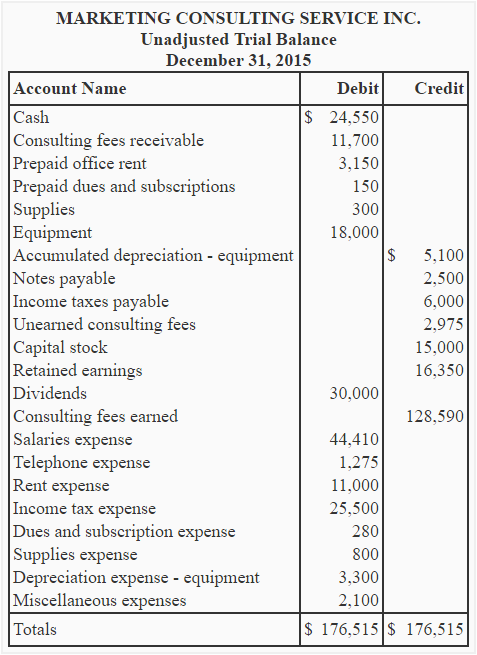
- A statement of all debits and credits in a double-entry account book, with any disagreement indicating an error.
- Example: The accountant prepares a trial balance at the end of the month to ensure the general ledger is balanced.
- en: Balance de vérification
- Variable Costs
- Noun
- A cost that varies with the level of output.
- Example: The bakery's ingredients, such as flour and yeast, are variable costs because they increase with each loaf of bread produced.
- en: coûts variables

- Variance Analysis
- Noun
- Variance analysis is the process of comparing an organization's actual financial results to its planned, budgeted, or forecasted results to identify the causes of any differences.
- Example: The finance department uses variance analysis to compare actual spending against budget to identify discrepancies and control costs.
- en: Analyse de variance
